More CHILD POISONINGS
 5:00 AM |
  Posted by
Willene
Posted by
Willene
A new report warned that the number of children accessing liquid laundry packets has caused more than 3,700 calls to the U.S. Poison Center through April of this year.

You shouldn't need to invest in cabinet locks! That is only a bandaid solution to this horrible problem. We need to STOP buying from and supporting stores and manufacturers who develop toxic products that are terribly harmful to our kids, our health and our environment.
We have a choice of where we shop, who we buy from and what we support.
Learn more about how you can make a positive impact for you, your family, our environment and for countless others.
Chemical Warfare: The Deception of Chlorine Bleach!
What if the very products you use to clean your home are actually making the home more dangerous for your family?
 For decades, customers have mistakenly equated chlorine bleach with words like “clean” and “safe”. But the reality is frighteningly far from it. That bottle of chlorine bleach in your laundry room, those cleaning products that proudly tout "with chlorine bleach” on their labels—they contain something far more sinister than a simple germ killer.
The Deception of Chlorine Bleach
Did you know that chlorine was one of the first ingredients used to create chemical weapons in World War I?
During the Second Battle of Ypres, on April 22, 1915, the Germans released chlorine gas on their enemies—marking the first full-scale deployment of deadly chemical weapons in WWI. The lethal chemical is still used in warfare today, with insurgents of the Iraq war making bombs out of giant tanks of chlorine.
Unfortunately, this lethal gas can also be created by accident when you unwittingly mix chlorine-based cleaning products with other common cleaning agents. And it isn’t always mixing two cleaners, together, sometimes it’s simply residue from a past cleaner that reacts with the chlorine-based product.
The dangers of chlorine bleach don’t stop there.
This chemical is caustic and deadly even before it is mixed with other products. Of all injuries to young children cause by cleaning products, exposure to chlorine bleach is the most common.
The most common types of injury from chlorine bleach are poisoning (68%), chemical burns (15.9%) and skin/eye irritation (10.4%).
According to the American Association of Poison Control Centers, chlorine bleach is responsible for more than 38,000 reported poisonings per year.
Recent medical studies have also revealed another disturbing trend. Chlorine bleach specifically aggravates the membranes in the lower respiratory system, causing shortness of breath and wheezing.
Studies show that a person with asthma who cleans in their home with chlorine bleach once a day will have a 5% increase in asthma attacks in a year. A person who cleans in their home with chlorine bleach twice a day more than quadruples this figure—they’ll experience 28% more asthma attacks.
The cleaner that doesn’t actually clean.
If the dangers of chlorine bleach weren’t discouraging enough, here’s another sad truth many consumers don’t realize—chlorine bleach is not a cleaner.
It doesn’t get rid of grime, dirt or stains. What it can do is make color invisible to the naked eye, making us think it’s getting rid of stains.
Chlorine bleach is a highly reactive substance. It changes everything it comes into contact with, destroying it on a molecular level.
We see colors based on light absorption and reflection. When we see a red apple, it’s because the red color wavelength is reflected to us. When chlorine bleach comes into contact with stains, it destroys the molecules’ ability to reflect light.
Chlorine bleach doesn’t get rid of dirt—it only turns it white. We may not be able to see the dirt and grime, but the truth is, the stain is still there.
The following video is an EYE OPENER when it comes to toxins and how they affect not only adults but what's happening to our kids.
Together we can make a difference!

To get your home truly clean you don’t need chlorine bleach.
You have a choice with what you buy and where you buy it.
To Your Excellent Health!
Willene
478-923-8438
willene.johnson@cox.net
Pain-A-Trate... the SOLUTION for HEADACHES!
According to the National Institute of Neurological Disorders and Stroke, HEADACHES are the most common neurological ailment in the U.S.

If you, or anyone you know, suffer with headaches, Pain-A-Trate is the SOLUTION!
A little dab on your temples will help to sooth the headache. It's incredible!
And... not only for headaches... but when achy shoulders, overworked arms, and throbbing knees cry out for attention, the greasy, sticky grocery store ointments like original Bengay® and Icy Hot® just don’t cut it. Sure, they may have a couple of pain relieving ingredients, but they don’t have the 4-in-1 formula of Pain-A-Trate. (See chart below.)
Extra-Strength Pain-A-Trate, delivers maximum relief from minor muscle pain, stiffness, cramps, headaches and more. Plus, Pain-A-Trate includes a soothing touch of T36-C5® Melaleuca Oil.

Methyl Salicylate
Pain-A-Trate contains methyl salicylate. This active ingredient is a U.S. Pharmacopeia- approved pain reliever. Methyl salicylate helps increase blood circulation to muscles for a pleasant, deep-heating sensation.
Menthol
Pain-A-Trate has menthol which causes a tingling, cooling sensation followed by soothing warmth. This topical analgesic comes from the leaves of the Mentha arvensis plant that yields the essential oil.
Camphor
Pain-A-Trate has camphor, which numbs pain and increases circulation, so muscles heal more quickly. Camphor oil is regarded as a balancing oil—it can sedate nerves and uplift apathy. It helps with colds, inflammation, muscle pain, rheumatism, sprains, and arthritis.
T36-C5 Melaleuca Oil
Only Pain-A-Trate provides the distinctive soothing combination of natural T36-C5 Melaleuca Oil the pain-relieving powers of menthol, camphor, and methyl salicylate.
Pain-A-Trate Is So Versatile, It Helps Relieve:
backaches...headaches...arthritis pain...tendonitis...tense muscles...muscle strains and sprains...neck pain...shoulder pain...knee and leg pain...bruises
I rely on Pain-A-Trate!
If you are interested in learning more about how you can get this one-of-a-kind, patented product ...

I hope you found this helpful and if you have any questions, please contact me any time!
To Your Excellent Health!
Willene
478-923-8438
willene.johnson@cox.net
Natural, Nontoxic Approaches to Pest Control in the Garden
Love To Garden, But Want To Avoid The Chemicals?
3 Suggestions Courtesy of Dr. Andrew Weil
3 Suggestions Courtesy of Dr. Andrew Weil
If you are planting a garden, try natural, nontoxic approaches to pest control

- Pyrethrum. This mixture of insecticidal compounds found in some species of African chrysanthemums controls aphids, whiteflies, stinkbugs and mites. You should be able to find pyrethrum products in your local garden center (some will say they contain "pyrethrins.") Check labels carefully to make sure you choose the product intended for the crops you're growing or the pests you're trying to eliminate and no other more concerning chemicals have been added.
- Neem. From the seeds and leaves of the neem tree, Azadirachta indica, which is native to India, the compounds neem contains (such as azadirachtin) act as insect repellents. Neem is nontoxic to animals and humans and beneficial to bees. Although neem products are somewhat more expensive than most synthetic pesticides, they are worth it for both personal and environmental health.
- Insects. Consider adding beneficial insects such as ladybugs and praying mantis to your garden (both are commonly sold at garden centers).
What I use is diluted Sol-U-Mel . I dilute the concentrated product half-half with water. Sol-U-Mel is a great cleaning and stain remover for the home but also works wonders for plants. I once had aphids all over my tomato plants. I sprayed with the Sol-U-Mel and POUF! the aphids were gone. I use it on roses and other plants where the leaves are being eaten by insects.
I especially like not having to breath any insecticide or pesticide and getting the toxic spray all over my skin...
To Your Excellent Health!
Willene
478-923-8438
willene.johnson@cox.net
Practical Guide to Essential Oils
Practical Guide to Essential Oils
with References and Traditional Uses (80 page booklet)
 Plants have been used for thousands of years to help heal, soothe and alter moods. We can imagine early man experimenting with stems, leaves, barks and roots, noting which reduced pain, which reduced swelling, which were calming, and which were stimulating. By trial and error remedies were discovered, and cherished traditional treatments were passed on from generation to generation.
An “essential oil” is the highly concentrated “essence” of the plant from which it was derived. Today research is beginning to explain some of the mystery behind the art and science of essential oil therapy. Clinical studies are currently underway, and many of these studies confirm the remarkable healing properties of essential oils.
Practical Guide to Essential Oils was written for those who are just beginning to experiment with the healing properties of essential oils. Designed as a primer, it gives the reader a basic understanding of what these natural wonders are, and what they can do. Each chapter is written as an introduction to one of the more commonly used essential oils, explaining how that oil has been traditionally used, how it is used today, and what research there is to confirm its effectiveness. Scientific studies and supportive articles are referenced for additional reading.
CURRENTLY AVAILABLE IN THE USA ONLY
Table of Contents:
- Chapter 1: The Best of Science and Nature
- Chapter 2: Bergamot
- Chapter 3: Cedarwood
- Chapter 4: Cinnamon Bark
- Chapter 5: Clove
- Chapter 6: Eucalyptus
- Chapter 7: Frankincense
- Chapter 8: Geranium
- Chapter 9: Grapefruit
- Chapter 10: Jasmine Absolute
- Chapter 11: Lavender
- Chapter 12: Lemon
- Chapter 13: Lemongrass
- Chapter 14: Marjoram
- Chapter 15: Myrrh
- Chapter 16: Orange
- Chapter 17: Oregano
- Chapter 18: Patchouli
- Chapter 19: Peppermint
- Chapter 20: Rosemary
- Chapter 21: Sandalwood
- Chapter 22: Tea Tree Oil
- Chapter 23: Wintergreen
- Chapter 24: Ylang Ylang
Practical Guide to Essential Oils has volume based pricing. A single copy is $5.95 US. Order multiple copies and receive significant discounts. To ORDER
To Your Excellent Health!
Willene
478-923-8438
willene.johnson@cox.net
|
Super Foods To Try: The Many Benefits of Blueberries
This tip is courtesy of Dr. Weil
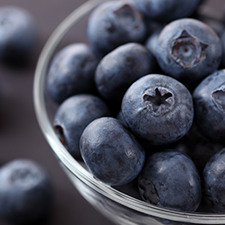 Any way you buy them - fresh, frozen or dried - blueberries are packed with nutritional power. If you need reasons beside taste to snack on blueberries, keep these nutrition facts in mind. Blueberries:
 - Provide antioxidants. Anthocyanins, the pigments that make blueberries blue, are potent antioxidants: A half-cup of blueberries provides the antioxidant power of five servings of peas, carrots, apples, squash or broccoli.
- Are a healthy, low-glycemic-index carbohydrate, an especially good choice for those in need of better blood sugar control.
- Are a source of vitamin C, important for supporting your immune system.
- Help meet your daily fiber needs with two grams per half-cup serving of blueberries.
- Have shown promise in addressing the untoward effects of aging: animal studies associated with consuming blueberries have demonstrated improved motor skills and a reversal of age-related short-term memory loss.
- May offer various other health benefits ranging from preventing cancer and defending against urinary tract infections, to protecting the brain from stroke damage and reducing heart disease risks.
Look for organic blueberries, and toss some in a salad, eat as a snack or throw in a parfait with plain yogurt and walnuts. If fresh, organic blueberries are cost prohibitive, substitute with organic frozen or dried products - all three forms provide health-protective benefits. Keep in mind that dried blueberries are a concentrated source of sugar or may have added sweeteners, so enjoy them in moderation.
To Your Excellent Health!
Willene
478-923-8438
willene.johnson@cox.net
Subscribe to:
Posts (Atom)
About Me

- Willene
- I have a passion for health and the prevention of disease.Even though my profession was in the health care field as a RN, my awareness of the role we can play in our own health began over 30 years ago when my husband became chronically ill. I started by checking out the foods we were eating. I learned that many foods contained unhealthy preservatives. Much to my kids objection, I limited the amount of sugar in the foods I bought. Over the years, my food purchases changed as more options were offered. Today we can actually purchase healthy foods that also taste good. About 9 years ago I became aware of the harmful and caustic chemicals in the personal care and home care products I was using. I thought the products on the grocery store shelves were safe to use. I learn how untrue that is and found an online wellness store to shop at. I now have peace of mind knowing that my personal care and household products are not putting me at risk for disease.